Deck Maintenance Year-Round: Seasonal Tips to Prevent Damage and Decay
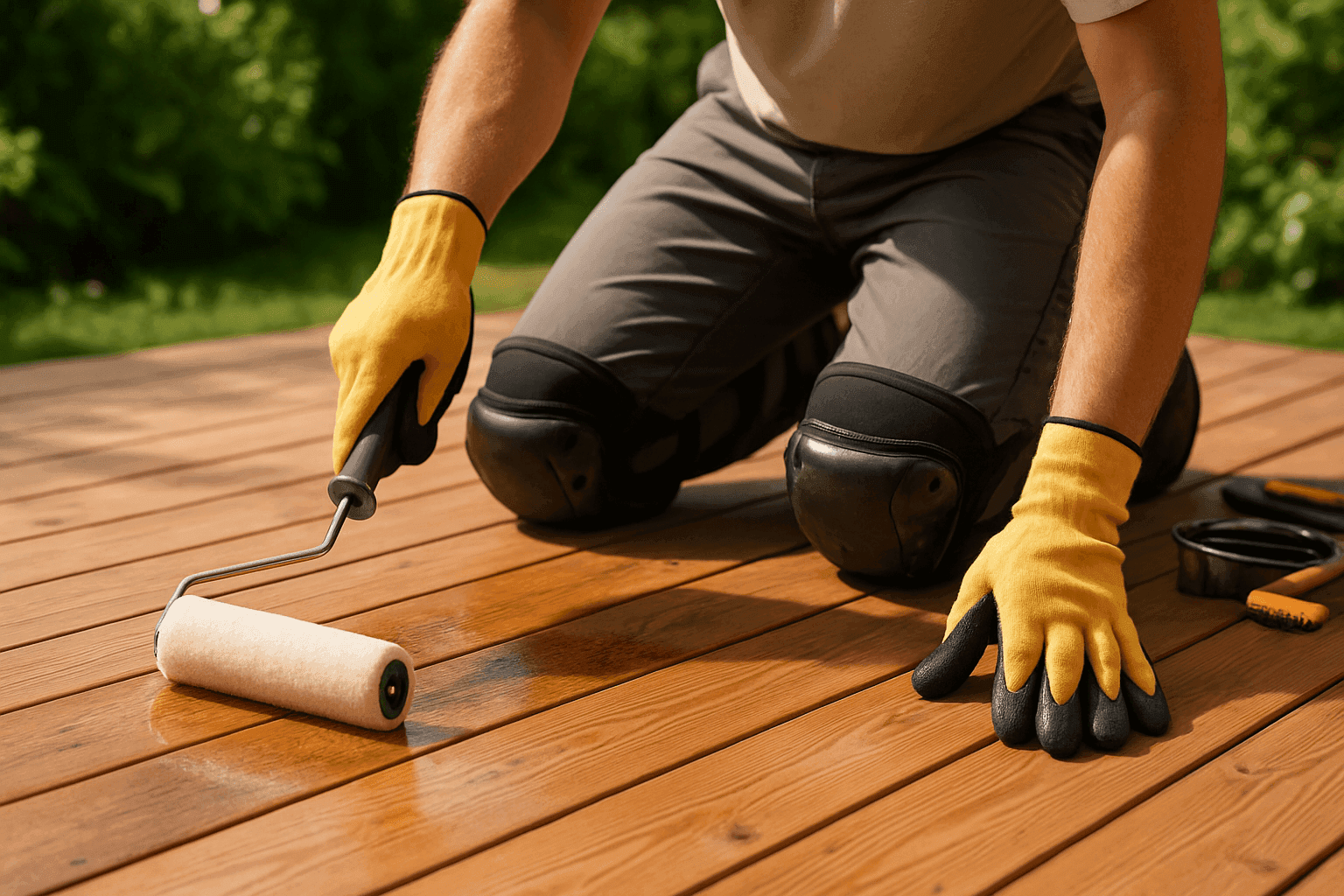
Keeping a deck in top shape is like caring for a classic car. Ignore it, and the elements will take over—leaving you with costly repairs, slippery surfaces, and a deck that’s no fun to use. At Fusion Decking, we know how quickly weather, wear, and time can turn even the sturdiest deck into a source of worry instead of pride.
Whether you have wood, composite, or a custom build, regular maintenance is your best defense against damage and decay. Let’s break down a practical, season-by-season plan to keep your deck safe, strong, and ready for every backyard gathering.
Why Decks Need Year-Round Attention
Your deck faces more than just foot traffic. Rain, sun, ice, pollen, and even falling leaves can all chip away at its strength. Fasteners loosen. Boards warp. Mold and mildew creep in, especially in shaded or damp areas. Without regular inspections and care, small issues become big headaches.
A well-maintained deck isn’t just about looks—it’s about safety. According to the North American Deck and Railing Association (NADRA), thousands of deck collapses and injuries happen every year in the US alone, often due to neglected maintenance. Regular attention helps prevent accidents and keeps your outdoor spaces welcoming for family, friends, and customers.
Quick Safety Checklist 🛡️
Before each season (and especially before holiday gatherings or heavy use), run through this quick deck safety checklist:
- Check for loose or corroded fasteners: Screws, nails, and bolts should be snug and rust-free.
- Look for rot, cracks, and splinters: Pay extra attention to stairs, railings, and joists.
- Inspect railings and stairs: Wiggle them—there should be no movement.
- Search for mold, mildew, or algae: These can make surfaces slippery and weaken boards.
- Clear debris from between boards and under the deck: Leaves and dirt trap moisture and attract pests.
- Test lighting and electrical features: Replace bulbs and check for exposed wiring.
- Review ADA compliance: Handrails and ramps should meet current safety codes if required.
Deck Maintenance by Season
A deck’s needs change with the weather. Here’s how to keep up year-round, whether your decking is wood or composite.
Spring: Deep Clean and Inspection
After a long winter, your deck needs a fresh start.
- Sweep away debris: Start with a stiff broom. Get between boards and under railings.
- Wash surfaces: Use a mild deck cleaner for composites or a wood-friendly detergent. Avoid bleach—it can damage finishes.
- Inspect for winter damage: Look for popped nails, splintered boards, or warped planks.
- Tighten fasteners: Secure any loose screws or bolts.
- Check for signs of rot or mildew: Especially near planters, hot tubs, or shaded spots.
- Re-treat wood as needed: If water no longer beads up, it’s time to reseal or stain.
Product tip: For composite decks, use a cleaner recommended by the manufacturer. For wood, choose a sealer rated for your climate.
Emergency Tip: After Strong Storms
If a spring storm drops a tree limb or floods the area, act fast:
- Remove debris promptly.
- Check for structural damage before anyone uses the deck.
- Call for a professional deck inspection near you if you see sagging, large cracks, or shifted supports.
Summer: Protect and Enjoy
Summer means fun—but also UV rays, heat, and heavy use.
- Check for loose boards after big gatherings: Dancing, grills, and furniture can shift things around.
- Clean up spills quickly: Food, grease, and sunscreen can stain and attract pests.
- Shade sensitive areas: Consider pergolas or umbrellas to reduce sun damage.
- Sweep regularly: Pollen and dust build-up is common.
- Inspect outdoor lighting and electrical accessories.
Holiday & Heavy Use Prep: Before parties or events, double-check railings, stairs, and seating for safety. Add slip-resistant mats if near a pool or hot tub.
Emergency Tip: After Heat Waves
Extreme heat can dry out wood, causing cracks. If boards warp or pop up, mark the area and keep people away until a repair can be made.
Fall: Prep for Wet and Cold
Leaves, rain, and early frosts all put decks to the test.
- Rake leaves often: Wet leaves can stain and become slippery.
- Clear out planters and accessories: Store them, or move to sheltered spots.
- Inspect sealant and stain: Water should bead on the surface. If not, reapply.
- Tighten fasteners—again: Seasonal changes cause expansion and contraction.
- Check for drainage issues: Make sure water flows away from the deck.
Product tip: Use a leaf blower or plastic shovel, not metal, to avoid scratching boards.
Emergency Tip: After Heavy Rains
If you notice standing water or soft, spongy spots, check joists and supports for rot. Address immediately to prevent spreading.
Winter: Weatherproof and Wait
Cold, ice, and snow are tough on decks—especially untreated wood.
- Remove snow promptly: Use a plastic shovel, working with the grain of the decking.
- Avoid salt or harsh chemicals: These can damage both wood and composite surfaces.
- Check for ice buildup: Especially on steps and walkways.
- Cover exposed furniture and accessories.
- Inspect for animal nests: Small critters sometimes shelter under decks in winter.
Holiday Prep: Before installing decorations or lights, check that your electrical systems are safe and that nothing is overloaded.
Emergency Tip: After Freezes
If you spot cracks or hear creaking underfoot, avoid the area until a professional can inspect. Freeze-thaw cycles can quickly turn minor cracks into serious hazards.
DIY vs. Call a Pro
Some deck maintenance is easy for a homeowner or property manager. Sweeping, washing, and minor tightening are all within reach.
But for bigger jobs—like repairing rot, replacing boards, or inspecting structural supports—bring in professionals with experience in decking. They know what to look for, follow building codes, and can spot problems you might miss.
If you’re considering upgrades like built-in seating, an outdoor kitchen, or ADA-compliant features, a pro ensures everything is safe, legal, and built to last.
What Pros Do On Arrival
When you schedule a deck inspection near you with Fusion Decking, here’s what happens:
- Visual inspection: We look for visible damage, wear, and safety issues.
- Structural checks: Joists, footings, and supports are examined for rot, corrosion, and shifting.
- Fastener and hardware review: We spot-check all connections for rust or looseness.
- Decking surface testing: We test for soft spots, splinters, and hidden decay.
- Accessory and feature review: Built-in lighting, planters, railing, and seating are checked for stability.
- Advice and recommendations: We explain what needs immediate attention and what can wait.
Prevention & Maintenance
Routine care is the best way to avoid surprises. Here’s a quick maintenance calendar to keep handy:
- Monthly: Sweep, check railings, and look for new stains or damage.
- Seasonally: Deep clean, tighten fasteners, and inspect for rot or mold.
- Annually: Re-seal wood decks, especially in wet or sunny climates. For composite decks, wash thoroughly and inspect for manufacturer warranty requirements.
- After storms or heavy use: Inspect for hidden damage and address issues promptly.
Reference: The International Residential Code (IRC) provides up-to-date safety guidelines for decks. Always follow local building codes for repairs or renovations.
Costs & Time Factors
Deck maintenance doesn’t need to eat up your weekends—or your wallet. Here’s what to expect:
- Time: Basic cleaning and inspection can take a few hours. More complex repairs or upgrades (like outdoor kitchens or fire pit installation) may require several days.
- Cost: Cleaning supplies and basic tools are affordable. Professional inspections, sealing, or repairs vary by deck size, materials, and condition.
- Long-term savings: Regular care prevents costly rebuilds. A well-maintained deck can last 20–30 years or more.
When It’s an Emergency
Certain issues can’t wait, such as:
- Sagging, bouncing, or shifting boards
- Visible rot or insect damage
- Loose or missing railings
- Exposed nails, screws, or hardware
- Electrical hazards with outdoor lighting
If you notice any of these, restrict access and call Fusion Decking for immediate help. Safety comes first—always.
FAQ: Deck Maintenance Year-Round
How often should I have my deck inspected?
At least once a year, or after major storms. If your deck sees heavy use, twice a year is even better.
Do composite decks need sealing or staining?
Most composite decks don’t require sealing or staining, but periodic cleaning is essential. Always follow manufacturer guidelines.
What’s the best way to clean a wood deck?
Use a mild detergent and a soft brush. Avoid pressure washers unless you know your wood species can handle it.
Can I use rock salt or ice melt on my deck in winter?
Avoid salt and harsh chemicals. Use pet-safe or deck-friendly ice melt products, and always shovel snow with care.
Local & Seasonal Considerations 🌱
Every region brings unique challenges. In humid climates, mold and mildew are a bigger issue. In dry, sunny areas, UV damage and cracking are common. Urban decks may need extra cleaning due to pollution, while decks near pools or hot tubs require special attention to water and chemical exposure.
Fusion Decking works with both residential and commercial clients to create maintenance plans suited to local weather and usage patterns. If you’re unsure what your deck needs, a professional deck inspection near you is the first step.
Call Fusion Decking now — or reach us anytime at 888-841-9771 .