Deck Inspection Checklist: How to Spot Issues Before They Become Costly
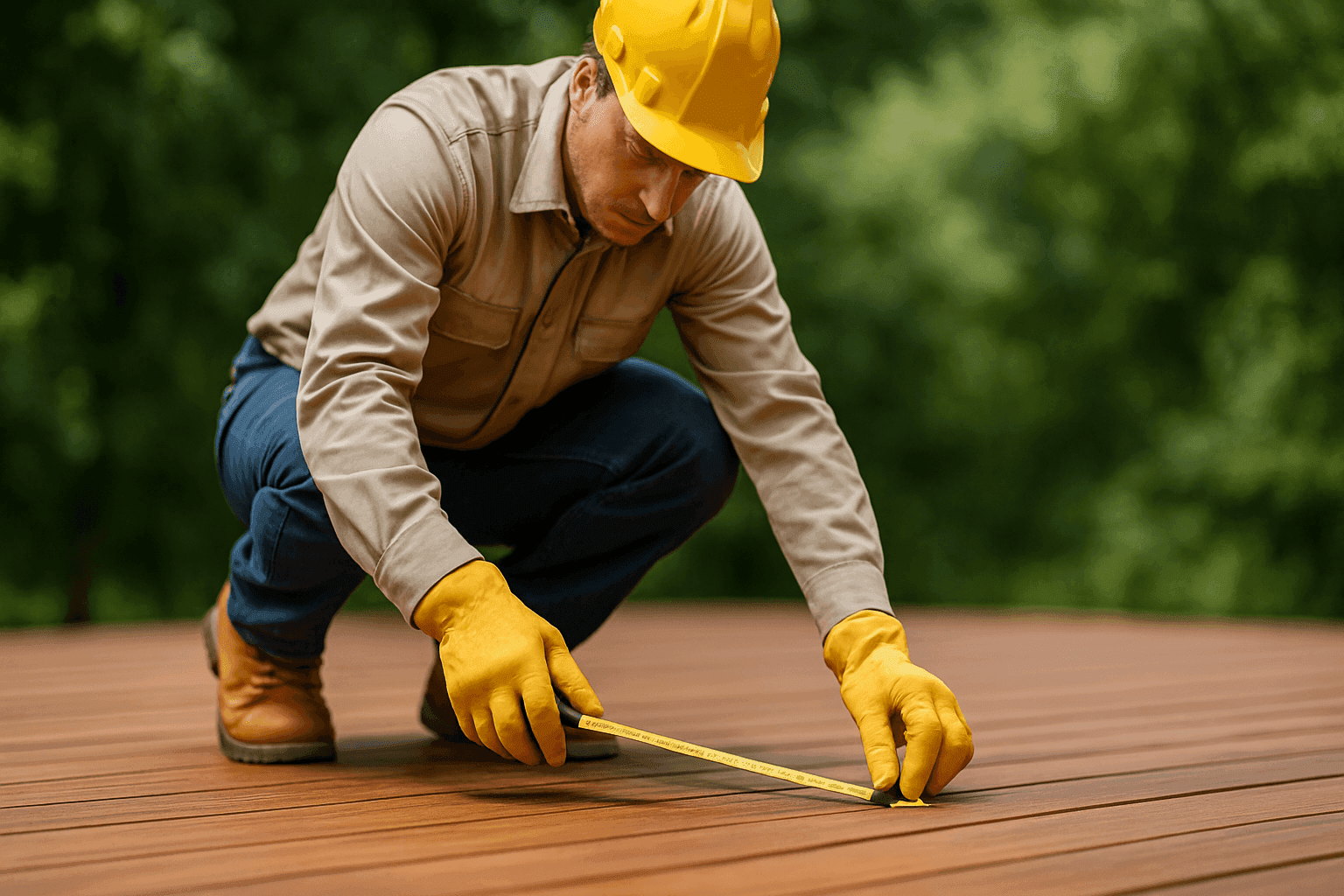
Have you ever stepped onto a deck and felt it wobble beneath your feet? That unsettling feeling is a warning sign: decks age, weather, and wear down—sometimes faster than you’d expect. Whether you own a cozy backyard retreat or manage a bustling commercial patio, ignoring small issues can lead to big, expensive problems.
At Fusion Decking, we’ve seen it all. Splintered planks, loose rails, hidden rot. The good news? Regular inspections can catch trouble before it grows. Let’s walk through what you need to know—because a safe, beautiful deck is worth protecting.
Why Regular Deck Inspections Matter 🕵️
Think of your deck like a car. You wouldn’t skip oil changes or ignore the check engine light. Decks, exposed to sun, rain, and foot traffic, need the same attention. The North American Deck and Railing Association (NADRA) recommends annual inspections to keep decks safe and code-compliant.
For commercial spaces, city codes often require even stricter schedules. The stakes are high—a failed deck can cause injury, lawsuits, or force you to close an outdoor business area. For homeowners, a small repair left unchecked can turn into costly structural damage, mold, or safety hazards.
Wood vs. Composite Decking: What to Look For
Decks aren’t all built the same. Materials weather differently, and each has its own trouble spots.
Inspecting Wood Decks
Wood breathes. It swells, shrinks, and cracks with the seasons. Here’s what to check:
- Rot and Decay: Soft spots, discoloration, or crumbling wood—especially near posts or where boards meet the house.
- Splinters & Cracks: Look for deep cracks along the boards. These can trap water and accelerate damage.
- Warping: Boards that bend or twist can cause tripping hazards and weaken the deck’s surface.
Inspecting Composite Decks
Composite decking resists rot, but isn’t immune to issues:
- Surface Mold or Mildew: Shaded, damp areas can develop slippery buildup.
- Staining & Fading: UV exposure or spills can discolor boards.
- Fastener Movement: Composites expand and contract. Fasteners can loosen over time.
Both types need regular checks—don’t let “low-maintenance” fool you into neglect.
How Weather & Seasons Affect Deck Safety
Decks live outside. Sun, rain, ice, and wind all take their toll.
- Winter: Freeze/thaw cycles can split wood and loosen fasteners.
- Spring: Snowmelt highlights drainage problems and uncovers hidden rot.
- Summer: Intense sun dries wood, causing cracks or splinters.
- Fall: Leaves trap moisture, feeding mold and mildew.
Each season brings new stress. That’s why a spring and fall check are smart habits, especially in areas with harsh climates.
Quick Safety Checklist for Deck Inspections
Before you start, grab gloves and a flashlight. Here’s a rapid-fire checklist:
- Posts: Are they solid, plumb, and free of rot at the base?
- Joists & Beams: Any sagging or splitting?
- Ledger Board: Securely attached to the house with lag screws or bolts, not just nails?
- Decking Surface: Any loose, warped, or cracked boards?
- Fasteners: Rust, missing, or popped screws/nails?
- Railings: Wobbly or unstable when pushed?
- Stairs: Even, solid treads and secure handrails?
- Drainage: Water pooling anywhere?
- Hardware: Signs of corrosion?
- Visible Mold or Mildew: Especially in shaded corners.
If you find more than one or two “maybes,” it’s time to dig deeper—or call a professional.
Structural Elements: Where Trouble Hides
Posts, Joists, and Beams
- Posts: Check at the ground for rot, insect tunnels, or shifting. Posts should feel immovable.
- Joists & Beams: Look underneath if possible. Cracks, severe warping, or excessive sagging are red flags.
Ledger Board
- Attachment: Should be bolted to the house, not just nailed. Inspect for gaps, rust stains, or rot.
- Flashing: Metal flashing should channel water away. Missing or bent flashing lets water in—prime spot for rot.
Surface Condition
- Board Movement: Step on each board. Listen for creaks or feel for movement.
- Splinters & Peeling: Especially on older wood decks—can signal deeper decay.
Fasteners & Connectors
- Rust: Orange stains or flaking metal mean corrosion.
- Loose or Missing: Even one missing bolt can weaken the deck’s structure.
Railings & Stairs
- Wobble Test: Push and pull. Any movement means it’s unsafe.
- Height & Gaps: Meets code? Most rails must be at least 36" high with balusters less than 4" apart (per IRC guidelines).
Common Red Flags: Rot, Rust, and Water Damage
Some problems scream for attention:
- Soft, Spongy Wood: Press a screwdriver into suspect spots. If it sinks easily, rot is at work.
- Rusty Hardware: Especially on older decks—can snap under pressure.
- Discoloration: Black or green stains mean water sits too long. Mold, mildew, or algae thrive in these areas.
- Loose Boards or Rails: Not just annoying—dangerous.
Spotting these early keeps repairs simple and affordable.
DIY vs. Call a Pro
You can do a lot with sharp eyes and a little know-how. But some issues need an expert touch.
- DIY-Friendly: Tightening loose fasteners, cleaning debris, minor surface repairs.
- Call a Pro: Structural repairs, major rot, unstable rails, or if you’re unsure about what you find.
Deck safety isn’t guesswork. If you’re ever in doubt, play it safe—especially for commercial decking or decks higher than two feet off the ground.
What Pros Do On Arrival
When you schedule “Deck Inspections near you” with Fusion Decking, here’s what to expect:
- Visual & Physical Check: We test every post, rail, and board—top to bottom.
- Underdeck Inspection: Rot and insects love dark corners.
- Moisture Readings: Specialized tools detect hidden water damage.
- Fastener Audit: We check every connection—bolts, screws, brackets, and flashing.
- Code Review: We compare your deck’s condition to International Residential Code (IRC) and local requirements.
- Detailed Report: You get clear, prioritized recommendations for repairs or upgrades.
Sometimes, we spot risks invisible to the untrained eye. That’s the value of experience.
Prevention & Maintenance
A few smart habits keep problems at bay:
- Clean Regularly: Sweep leaves and dirt off. Wash with mild soap and water.
- Seal and Stain: For wood decks, reseal every 2–3 years. Prevents moisture intrusion.
- Trim Plants: Shrubs and vines trap moisture against posts.
- Check After Storms: High winds or heavy snow can loosen railings or fasteners.
- Move Furniture: Don’t let planters or grills sit in one spot too long.
- Inspect Frequently: At least once a year—or twice in harsh climates.
Investing an hour now can save thousands later.
Costs & Time Factors
How long does an inspection take? Most residential decks need 30–60 minutes for a thorough check. Large commercial spaces or multi-level decks may take longer.
Costs vary based on size, accessibility, and the deck’s age or complexity. Preventative maintenance and minor repairs are always cheaper than replacing whole sections—or the entire structure.
Factor in not just money, but your time and peace of mind. That’s priceless.
When It’s an Emergency
Sometimes, there’s no time to wait. If you spot:
- Collapsed or severely sagging sections
- Railings that pull away from posts
- Major cracks in support beams
- Obvious rot at critical connections
- Recent severe storm damage
Don’t use the deck. Rope it off. Call a professional immediately. Safety first—always.
FAQ: Deck Inspections
How often should I inspect my deck?
At least once a year. Twice (spring and fall) if your area gets harsh weather.
What’s the lifespan of a typical deck?
Wood decks: 10–15 years if maintained. Composite decks: Up to 25 years, but only with regular checks.
Are deck inspections required by law?
Some municipalities require them for commercial properties. Always check your local building code.
Can I walk on my deck if I suspect damage?
If you see major rot, sagging, or loose rails—stay off. Call a professional.
Local & Seasonal Considerations
Decks in wetter climates need more frequent checks for rot. Coastal areas? Salt air accelerates corrosion. High-altitude or snowy regions? Freeze/thaw cycles can split boards and loosen fasteners.
If you’re in a hurricane or wildfire-prone zone, inspect after every major event. Local codes may set higher standards—be sure to check with your city or township.
A safe deck means peace of mind—and a space you can truly enjoy. If you’re unsure about your deck’s condition, don’t wait for a problem to get worse.
Call Fusion Decking now — or reach us anytime at 888-841-9771 .