Composite vs. Wood Decking: Durability, Maintenance, and Cost Explained
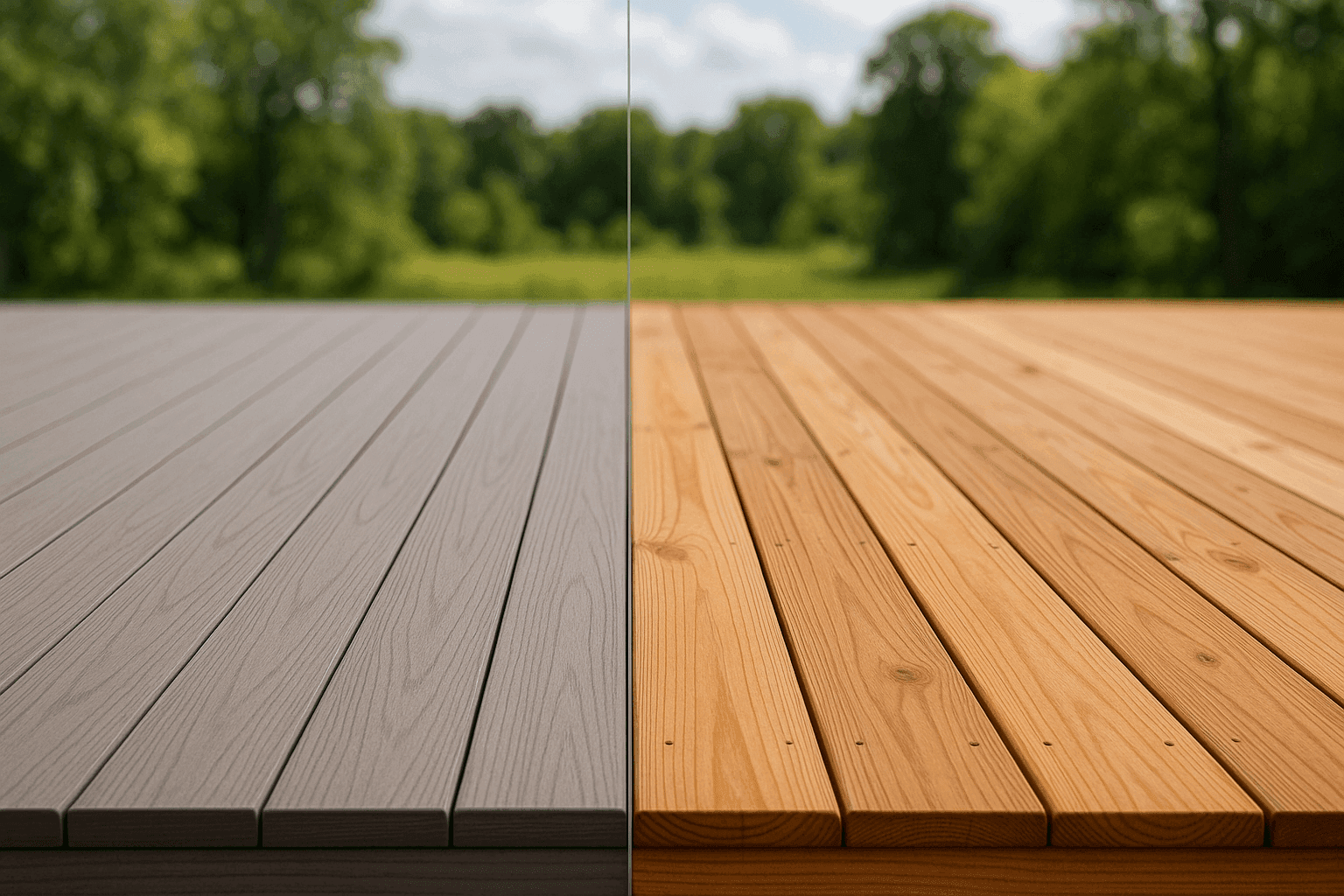
Standing at the edge of your backyard, you imagine the perfect deck—shaded, inviting, a spot for laughter and quiet mornings. But then the questions start. Composite or wood? Which lasts longer? Which is easier to care for? What will it cost?
At Fusion Decking, we’ve seen every deck scenario, from weathered old boards to sleek new builds. Our clients—homeowners and business owners alike—often face the same crossroads. This guide will walk you through the facts, tradeoffs, and real-world tips so you can choose with confidence.
The Big Decision: Composite vs. Wood Decking
Every deck tells a story. But the material you choose shapes how that story unfolds—maintenance, budget, beauty, and how many summers you’ll enjoy before repairs are needed.
Composite decking has surged in popularity, promising durability and minimal upkeep. Traditional wood still wins hearts with its natural look and feel. Both have their champions and their myths.
Let’s break it down by what matters most.
Initial Installation Costs: Sticker Shock or Long-Term Value? 💰
The upfront price tag often drives choices, but it’s only the first chapter.
- Composite Decking: Expect to pay more per square foot—sometimes double that of pressure-treated wood. Installation can be a bit pricier, too, since composite boards are heavier and require specific fasteners.
- Wood Decking: Pressure-treated pine is typically the most budget-friendly. Hardwoods like ipe or cedar cost more but offer richer color and grain.
Tip: Factor in fasteners, framing, and labor—not just the cost per board. Cheap up front isn’t always cheap over time.
Common Misconception: Wood is Always Cheaper
Many folks assume wood means savings. But over the years, maintenance and repairs add up. Composite’s higher upfront cost often evens out—sometimes even tips in its favor—within a decade.
Expected Lifespan: How Long Will Your Deck Last?
Think of your deck as an investment—one that faces sun, rain, and plenty of foot traffic.
- Composite Decking: Most brands claim 25–30 years of service. It won’t splinter, warp, or rot. Color stays truer, though fading can occur over time.
- Wood Decking: Pressure-treated pine can last 10–15 years with good care. Cedar or redwood may push 20 years. Hardwoods can stretch further, but all wood will age, check, and eventually need replacing.
Real-World Example: We’ve replaced 8-year-old pine decks that never saw sealant. We’ve also inspected 20-year-old composite decks that still look sharp after a good wash.
Myth: Composite Decks Are “Forever Decks”
No material is indestructible. Composite resists most threats, but heavy impacts, stubborn stains, or poor installation can shorten its life. Annual inspections are key—no deck is truly maintenance-free.
Cleaning and Sealing: How Much Work Is Involved?
Imagine your deck after a muddy spring or a busy barbecue. How easy is cleanup?
- Composite Decking: Just sweep and hose off. Mild soap and water handle most messes. No sanding, sealing, or staining needed.
- Wood Decking: Needs regular cleaning—and annual sealing or staining to protect against moisture and UV rays. Skip this, and boards can splinter, warp, or turn gray.
Practical Tip: Invest in a quality broom and a garden hose nozzle. For wood, set a calendar reminder for spring cleaning and sealant.
Misconception: “Low Maintenance” Means “No Maintenance”
Even composite decks benefit from occasional washing and quick removal of leaves or dirt. For both surfaces, avoid harsh chemicals and pressure washing above 1500 psi (per the North American Deck and Railing Association guidelines).
How Each Deck Responds to Climate and Heavy Use 🌦️
Mother Nature is the ultimate stress test—and every region brings its own challenges.
- Composite Decking: Shrugs off rain, snow, and sun better than most wood. No risk of rot, termites, or splinters. However, some brands can get hot underfoot in direct sun.
- Wood Decking: Expansion, contraction, and moisture absorption can cause warping and cracking. In dry climates, wood may check and split more quickly. In high humidity, mold and mildew love untreated wood.
Tip: If your deck will support a hot tub, pool, or heavy traffic—composite resists dents and scratches better. But all decks benefit from regular inspections, especially after extreme weather.
Industry Standard: Building Codes and Safety
Both deck types must meet local building codes for load, railing height, and slip resistance. The International Residential Code (IRC) sets the baseline—be sure your contractor follows these for peace of mind.
Cleaning & Sealing Needs: A Year in the Life
Let’s walk through a typical year for each type.
- Spring: Sweep off debris. Composite: Hose and mild soap. Wood: Power wash, inspect for splinters, sand if needed.
- Summer: Watch for stains from grills or plants. Composite: Quick wipe-down. Wood: Spot-treat stains; consider a fresh coat of sealant.
- Fall/Winter: Clear leaves and snow to prevent moisture buildup. Both: Inspect for loose boards or railings.
Quick Safety Checklist:
- Check for loose or protruding fasteners.
- Inspect stairs and railings for stability.
- Look for surface mold or mildew (treat promptly).
- For wood: Ensure no spots are bare—reapply stain or sealant as needed.
DIY vs. Call a Pro: What’s Smart for Your Deck?
Building or maintaining a deck is satisfying—but can be risky if you’re not prepared.
- DIY-Friendly: Cleaning, light sealing, or minor repairs.
- Professional Help: Deck inspections near you, structural repairs, complex installations, or electrical additions (like outdoor lighting).
Tip: If you’re unsure about a board’s stability, railing safety, or code compliance, it’s time to call in the pros. The peace of mind is worth it.
What Pros Do On Arrival: The Fusion Decking Approach
When our team arrives for an inspection or renovation, we:
- Examine the entire structure—joists, footings, fasteners, and railings.
- Test for soft spots, rot, or insect damage (on wood).
- Check for surface cracks, warping, or color fading.
- Review any custom features: built-in seating, planters, lighting, or gazebos.
- Provide a clear, honest assessment and next steps.
Reference: The North American Deck and Railing Association recommends professional inspections every 2–3 years, especially for older decks or after heavy storms.
Prevention & Maintenance: Keep Your Deck Looking Its Best 🧹
A little care goes a long way—no matter the material.
- Composite Decking: Sweep regularly. Wash with mild soap. Check for scratches or stains after heavy use.
- Wood Decking: Clean, sand, and seal at least once a year. Inspect for nails or screws working loose. Address mildew or algae quickly.
Maintenance Hack: Place mats under grills and planters to catch spills. Trim back bushes to let the deck dry after rain.
Costs & Time Factors: What’s the Real Price Over Time?
Let’s talk real numbers—not just estimates, but how the costs stack up over years of ownership.
- Composite Decking: Higher up front. Minimal annual costs—just cleaning. No need for stain or sealant. Over 20–30 years, total cost of ownership is often lower.
- Wood Decking: Lower up front. Annual costs for cleaning, stain, and sealant. Occasional board or railing replacement. Over 10–15 years, recurring costs add up.
Practical Tip: When budgeting, multiply annual maintenance costs by the expected lifespan. That’s your true comparison.
When It’s an Emergency
Some issues can’t wait:
- Railing is loose or wobbly.
- Steps are cracked, broken, or unsafe.
- Large areas of wood are soft or rotting.
- Boards are lifting, posing a trip hazard.
If you notice any of these, restrict access and contact a professional for a deck inspection near you.
FAQ: Composite vs. Wood Decking
Q: Will composite decking fade or stain?
A: Most modern composites resist fading and stains, but nothing is completely immune. Quickly clean up spills and consider shade options.
Q: Can I sand or paint composite boards?
A: Sanding usually voids warranties and can damage the finish. Painting is not recommended—choose a color you’ll love from the start.
Q: Which is safer—composite or wood?
A: Both are safe when installed correctly. Composite won’t splinter. Wood can become slippery when wet—add non-slip strips or choose textured finishes.
Q: Is composite decking environmentally friendly?
A: Many brands use recycled plastics and wood fibers. Wood is renewable, but harvesting and chemical treatments can impact sustainability. Check for certifications like FSC (Forest Stewardship Council) or third-party eco-labels.
Local and Seasonal Considerations: What Matters Near You 🌲
Your region’s climate can tip the scales:
- Hot, sunny climates: Composite may get hot underfoot; opt for lighter colors. Wood can dry out and need frequent sealing.
- Wet, humid regions: Composite shrugs off moisture. Wood must be well-sealed to prevent rot.
- Northern areas with snow/ice: Both need slip-resistant textures. Keep decks clear of snow—don’t chip with metal shovels.
Code Tip: Local codes may require certain railing heights, materials, or ADA compliance for commercial decks. Always check before building or renovating.
The Bottom Line: Which Deck Is Right for You?
Here’s the truth: There’s no universal winner. Composite decking offers decades of easy enjoyment but at a higher upfront price. Wood brings classic beauty and a lower starting cost, but it asks for regular attention.
Think about your budget, how much time you want to spend on upkeep, and the look that feels right for your home or business. If you’re still not sure, that’s where Fusion Decking comes in.
Call Fusion Decking now — or reach us anytime at 888-841-9771 .